![Mexico Yucatan Tulum [2026 Travel Guide]: Best Places, Beaches & Hidden Gems](https://babybelletje.co.uk/wp-content/uploads/2026/10/Mexico-Yucatan-Tulum-.jpg)
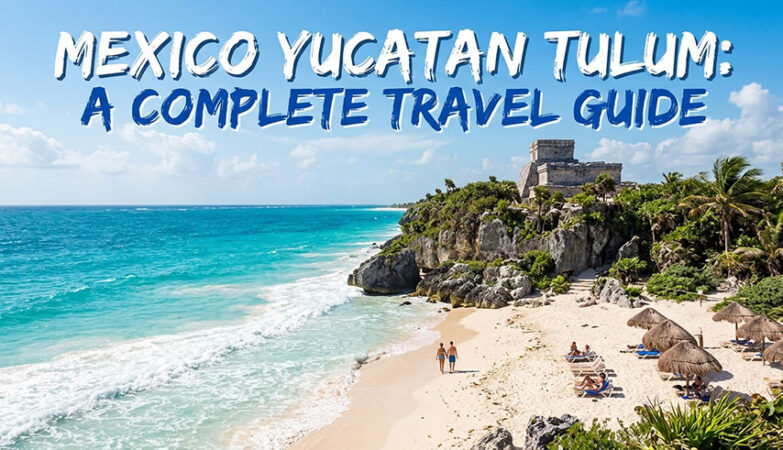
Located on Mexico’s Yucatán Peninsula in the state of Quintana Roo, Tulum has grown from a laid-back coastal destination into an internationally recognized travel hotspot. Despite its popularity, visitors can still discover quieter beaches, lesser-known natural attractions, and cultural experiences beyond the busiest tourist areas.
This 2026 travel guide explains the best places to visit, beautiful beaches to explore, practical travel tips, and hidden gems worth considering when planning your journey.
Where Is Mexico Yucatan Tulum?
Tulum is located along the Caribbean coast of southeastern Mexico, approximately 130 kilometers south of Cancún by road, depending on the route and starting point. Although travelers often use the phrase Mexico Yucatan Tulum when searching for the destination, Tulum is technically in Quintana Roo, not Yucatán state.
The town and its surrounding coastal area offer a mix of beaches, archaeological sites, jungle landscapes, cenotes, restaurants, and accommodation options.
Travelers generally explore two main areas:
-
Tulum Town: A practical base for local restaurants, shops, supermarkets, and more budget-conscious accommodation.
-
Tulum Beach Zone: A coastal strip known for beachfront hotels, restaurants, beach clubs, and access to the Caribbean Sea.
Choosing between these areas depends on your budget, transportation plans, and preferred holiday experience.
Best Places to Visit in Tulum in 2026
1. Tulum Archaeological Zone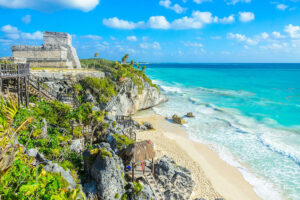
The Tulum Archaeological Zone is one of the destination’s most recognizable attractions. Set on cliffs overlooking the Caribbean, this ancient Mayan settlement offers a remarkable combination of historical architecture and coastal scenery.
The site once served as an important settlement and trading center. Visitors can explore surviving structures, learn about Mayan history, and enjoy views of the surrounding coastline.
Travel tips:
-
Arrive early to avoid the hottest part of the day.
-
Wear comfortable walking shoes and bring sun protection.
-
Check official opening hours, entry rules, and any beach-access restrictions before visiting.
2. Gran Cenote

Cenotes are natural freshwater pools formed in limestone landscapes, and they are among the Yucatán Peninsula’s most distinctive attractions. Gran Cenote, near Tulum, is a popular choice for swimming, snorkeling, and observing the area’s clear water and rock formations.
Some sections feature open pools, while others have shaded areas and cave-like formations. The surrounding greenery creates a peaceful setting that contrasts with the busy coastline.
Visitors should follow local safety instructions, use only permitted sun protection products, and avoid touching delicate cave formations or wildlife.
3. Parque Nacional del Jaguar
Parque Nacional del Jaguar, or Jaguar National Park, protects a significant coastal landscape around Tulum. Its natural and cultural features include areas of coastal vegetation, beaches, and access routes near important archaeological attractions.
It is worth considering for travelers interested in conservation, walking, and experiencing more of the natural environment.
Before visiting, check current access arrangements, entrance requirements, and any applicable fees, as rules can differ between individual attractions and park areas.
4. Tulum Town Center
Tulum Town provides a different experience from the beachfront district. Here, travelers can find casual eateries, cafés, shops, local businesses, and opportunities to sample everyday life away from the resort atmosphere.
Spend time exploring the main streets, trying regional food, or browsing small shops for locally made products. The town is also a useful base for arranging transportation to cenotes and nearby attractions.
For travelers managing expenses, staying in town and visiting the beach during the day can sometimes offer better value than booking accommodation directly on the coast.
Best Beaches in Tulum

1. Playa Paraíso
Playa Paraíso is one of the best-known beaches in the Tulum area. Its pale sand, tropical vegetation, and blue Caribbean water make it an appealing place for swimming when conditions are safe, sunbathing, or enjoying a leisurely walk.
Facilities and access arrangements may vary, so check local signs and beach conditions before settling in for the day.
2. Playa Las Palmas
Playa Las Palmas is another beach worth considering for visitors who want to enjoy the coast. It can be a good option for a relaxed beach outing, particularly for travelers who prefer spending time by the water rather than booking a full day of activities.
Bring drinking water, sun protection, and any essentials you need, as available facilities can vary.
3. Playa Santa Fe
Located near the archaeological area, Playa Santa Fe is known for its scenic coastal setting. Combining the beach with a morning visit to the ruins can make an efficient day trip.
However, beach access, swimming conditions, and visitor rules may change. Follow lifeguard instructions and posted warnings rather than assuming the water is always safe.
Important beach tip: Sargassum, a type of floating seaweed, can reach the Caribbean coastline seasonally. The amount varies with weather and ocean conditions, so check recent local beach reports before planning your trip around swimming or beach photography. The official Tulum municipal tourism website provides visitor information.
Hidden Gems Near Tulum Worth Exploring
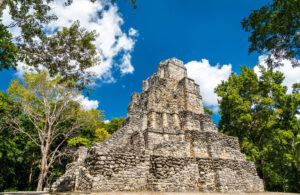
Muyil Archaeological Site
Muyil is a worthwhile option for travelers who want to explore Mayan heritage in a quieter setting than Tulum’s main archaeological zone. Located south of Tulum, the site features ancient structures surrounded by vegetation and offers a different perspective on the region’s history.
It can be combined with a wider exploration of the Sian Ka’an area, but visitors should arrange transport and check access conditions in advance.
Cenote Calavera
Cenote Calavera is a distinctive natural swimming spot near Tulum, recognized for its rounded openings in the limestone above the water. It appeals to visitors interested in snorkeling, swimming, and photography.
Entry rules, safety requirements, and fees are set by the site’s operators. Use designated access points, respect depth warnings, and avoid jumping unless the site explicitly permits it.
Laguna Kaan Luum
Laguna Kaan Luum, located outside central Tulum, is known for its striking contrast between shallow turquoise water and a deeper central area. The lagoon offers a different landscape from the open Caribbean coast.
Check local rules before swimming, as some areas may be restricted or subject to specific safety conditions. Bring cash if needed for entry and confirm transportation options before leaving town.
Best Things to Do in Mexico Yucatan Tulum
Beyond the famous beaches and archaeological attractions, there are plenty of ways to make your trip more rewarding.
-
Swim in cenotes: Explore natural freshwater pools and learn why cenotes are so important to the region’s landscape and cultural history.
-
Try snorkeling: When weather and water conditions allow, explore marine life with a reputable local operator.
-
Sample regional cuisine: Look for cochinita pibil, tacos, fresh seafood, and other dishes associated with Yucatán and the wider Mexican Caribbean.
-
Explore local markets and shops: Browse handmade crafts and locally produced goods while supporting small businesses.
-
Enjoy cycling: In suitable areas, a bicycle can be convenient for short journeys, but check traffic conditions and use a helmet.
-
Take a guided nature tour: A qualified guide can help explain local ecosystems and cultural heritage while ensuring that visits follow conservation rules.
A thoughtful itinerary for Mexico Yucatan Tulum should balance popular attractions with time to relax. Rather than trying to visit every location in one day, choose a few experiences that match your interests.
Best Time to Visit Tulum in 2026
Tulum has a warm tropical climate throughout the year, but rainfall, humidity, crowds, and beach conditions change with the seasons.
-
December to April: Often attractive for travelers seeking relatively drier weather, although this period can be busy and accommodation prices may rise.
-
May to August: Temperatures and humidity tend to increase. Sargassum may affect some beaches, but conditions differ from day to day.
-
September to November: Rainfall can be higher, and the Atlantic hurricane season remains a consideration. Flexible bookings and weather monitoring are especially useful.
There is no single perfect month for every traveler. If your priority is relaxing on the beach, check current seaweed reports. If you prefer exploring ruins and cenotes, consider heat, rainfall, and the time required to travel between attractions.
Practical Travel Tips for Tulum
Getting There and Getting Around
Many international visitors arrive through Cancún International Airport, while Tulum also has its own international airport. The best arrival point depends on your flight, schedule, and onward transport arrangements.
Available options may include airport transfers, buses, taxis, rental cars, and organized tours. Compare the full journey cost rather than just the ticket price, and confirm the pickup location before booking.
Where to Stay
Your accommodation choice can make a substantial difference to your budget and daily plans.
-
Tulum Town: Often practical for restaurants, shopping, and a range of accommodation budgets.
-
Beach Zone: Convenient for beach access and beachfront dining, but many options are more expensive.
-
Accommodation outside the center: May offer a quieter setting, but check transport availability and travel times.
Staying Safe and Respecting Nature
Keep valuables secure, use reputable transport providers, and share your plans with someone you trust when taking a remote excursion. Follow local advice at beaches and cenotes, especially where currents, depth, or slippery surfaces present risks.
Help preserve the destination by avoiding litter, respecting wildlife, staying on marked paths, and following rules at archaeological and protected natural sites.
Suggested 3-Day Tulum Itinerary
If you have three days to explore, this simple plan can help you experience the destination without rushing.
Day 1: History and Beaches
-
Visit the Tulum Archaeological Zone in the morning.
-
Explore a nearby beach, depending on access and conditions.
-
Spend the evening enjoying dinner in Tulum Town.
Day 2: Cenotes and Local Experiences
-
Visit Gran Cenote or another suitable cenote.
-
Enjoy lunch at a local restaurant.
-
Explore shops and cafés before returning to your accommodation.
Day 3: Nature and Hidden Gems
-
Visit Muyil or Laguna Kaan Luum, depending on your interests.
-
Consider a guided nature excursion.
-
Keep the afternoon flexible for relaxing or exploring places you missed.
Check official attraction information before departure. For archaeological-site hours and visitor regulations, consult the National Institute of Anthropology and History (INAH).
FAQs
1. Is Mexico Yucatan Tulum worth visiting in 2026?
Yes. Tulum offers a mix of Caribbean beaches, Mayan archaeological sites, cenotes, regional cuisine, and nature-based activities. It can appeal to couples, families, solo travelers, and adventure seekers, although accommodation and activity costs vary considerably.
2. How many days should I spend in Tulum?
Three to five days is a useful starting point for exploring the main attractions, swimming in cenotes, enjoying the beaches, and taking a nearby day trip. Travelers interested in additional archaeological sites or nature reserves may want to stay longer.
3. What is the best month to visit Tulum?
December through April is often popular because conditions are generally drier. However, this period can be busier and more expensive. Consider your budget, weather preferences, and tolerance for crowds when choosing dates.
4. Are Tulum’s beaches free to visit?
Beach access depends on the specific location and applicable rules. Some public beach access points may be free, while parking, transportation, beach clubs, and other services can cost extra. Check current municipal guidance before visiting.
5. Is Tulum suitable for budget travelers?
Yes, with planning. Staying in Tulum Town, eating at local restaurants, using suitable public transport, and choosing a small number of paid activities can help control expenses. Compare total costs before booking, as transport and beach-area accommodation can add up.
6. What should I pack for a trip to Tulum?
Bring lightweight clothing, comfortable walking shoes, swimwear, a reusable water bottle, insect repellent, sun protection, and a waterproof bag for beach or cenote visits. Pack any required travel documents and check local rules for protected sites before departure.
Conclusion
Mexico Yucatan Tulum offers much more than beautiful beaches. Its ancient Mayan ruins, freshwater cenotes, tropical landscapes, regional food, and welcoming local businesses give visitors plenty of ways to experience the Mexican Caribbean.
For a successful 2026 trip, choose accommodation that suits your budget, plan excursions around travel times, check beach and weather conditions, and allow enough time to enjoy each destination. Exploring a combination of well-known attractions and quieter places can make the experience more rewarding.
Whether you want to relax beside turquoise water, discover archaeological history, or explore the natural landscape, Tulum offers a flexible starting point for a memorable journey through this part of southeastern Mexico. With thoughtful planning and respect for the area’s cultural and natural heritage, you can make the most of your visit.